
EGYPT
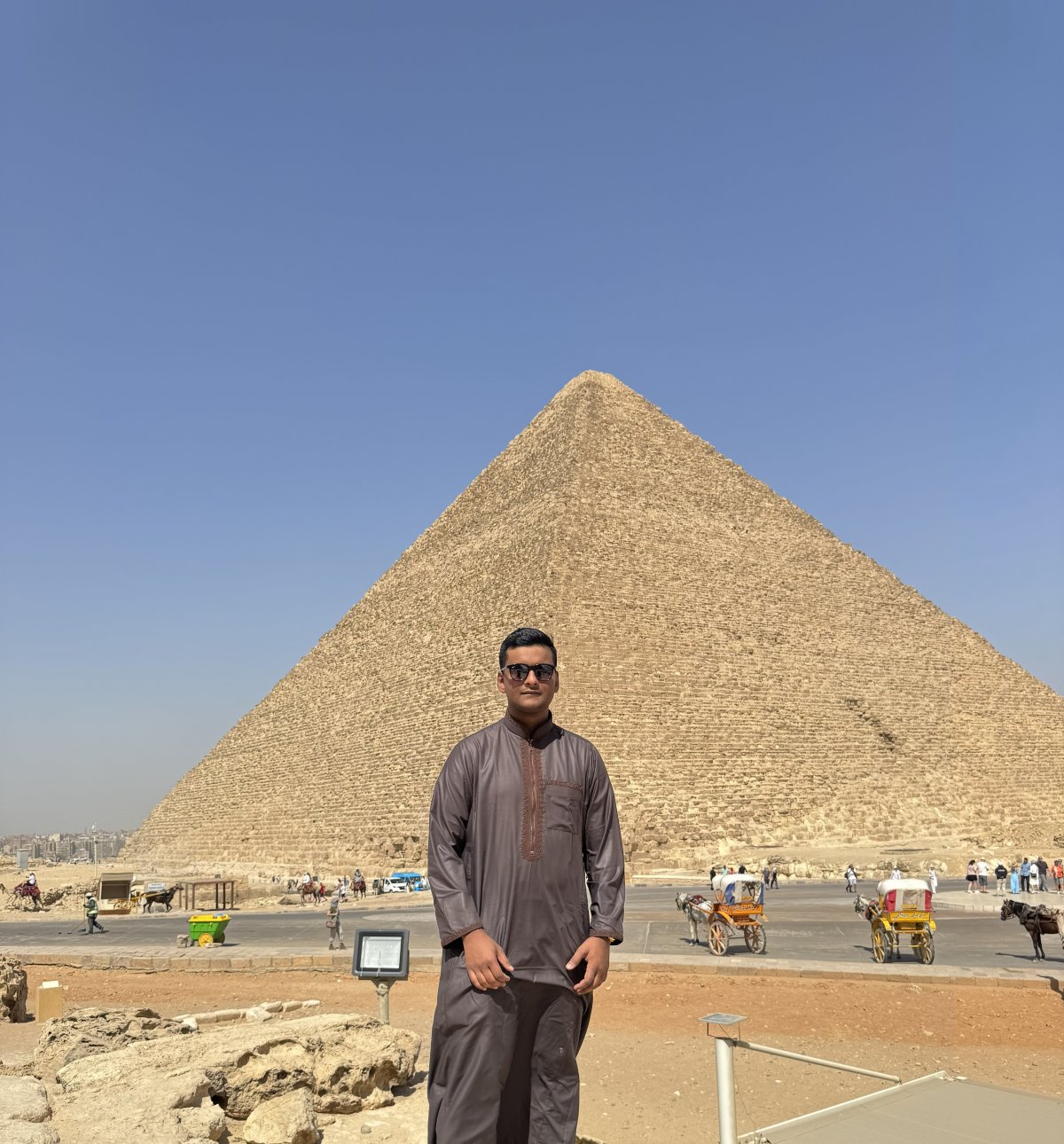
Pyramids of Giza
Standing before the last remaining Wonder of the Ancient World - the Great Pyramid of Khufu, built around 2560 BC. These magnificent structures have stood for over 4,500 years, representing the pinnacle of ancient Egyptian engineering and architectural achievement.
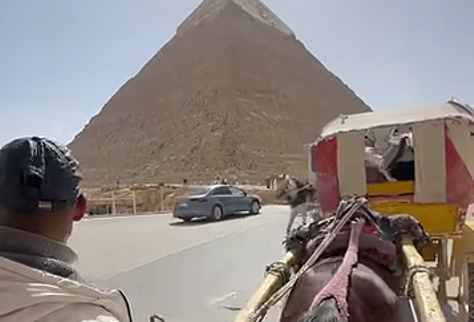
Traditional Horse Cart Journey
Experiencing the ancient route through the Giza Plateau on a traditional horse-drawn carriage, just as travelers have for centuries. The journey offers unique perspectives of the pyramids rising from the desert sands.
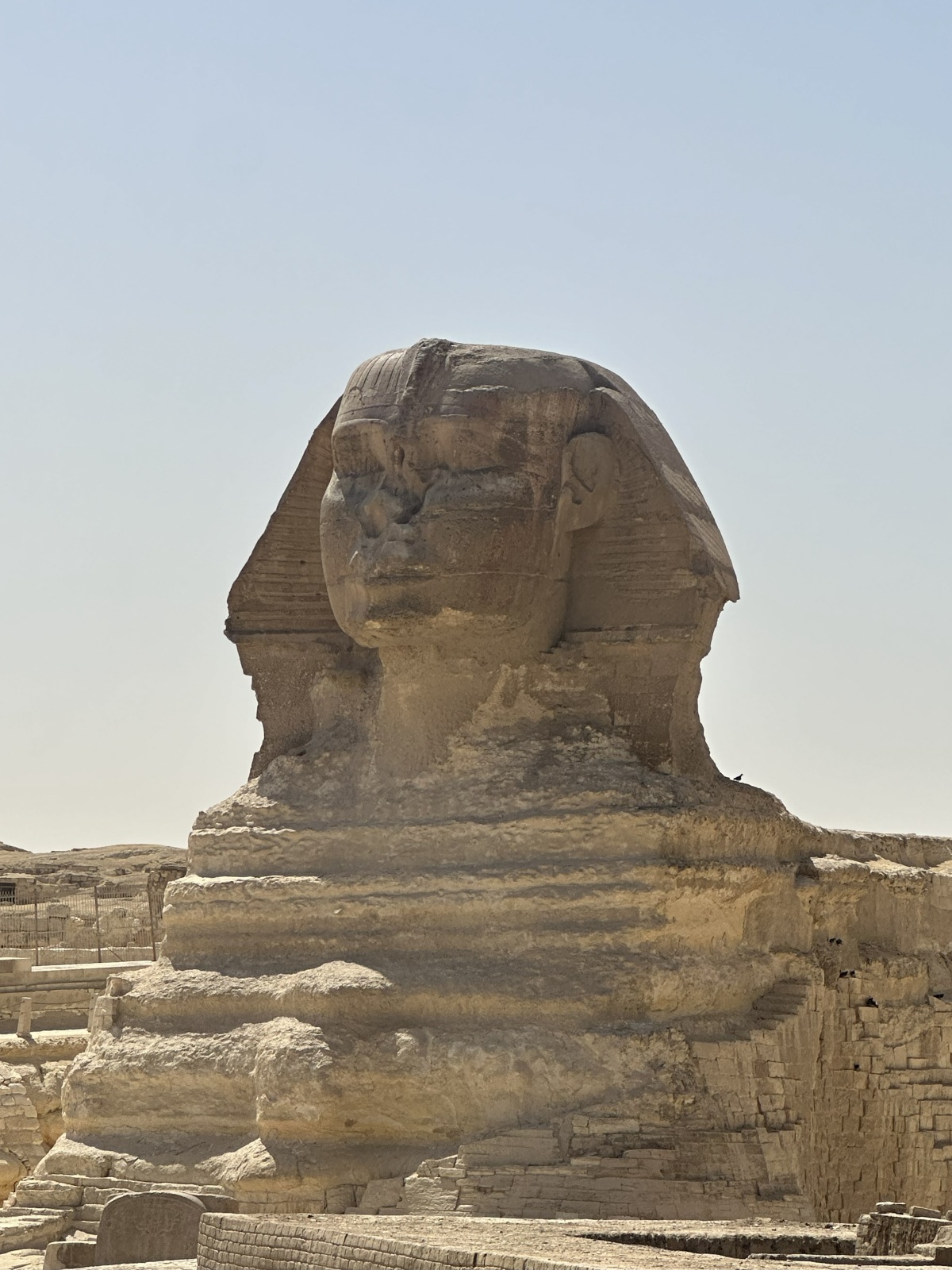
The Great Sphinx
The iconic limestone guardian of the Giza Plateau, carved during the reign of Pharaoh Khafre (c. 2558-2532 BC). With the body of a lion and the head of a human, this colossal statue stands 20 meters high and 73 meters long, embodying the power and wisdom of ancient Egyptian kingship.
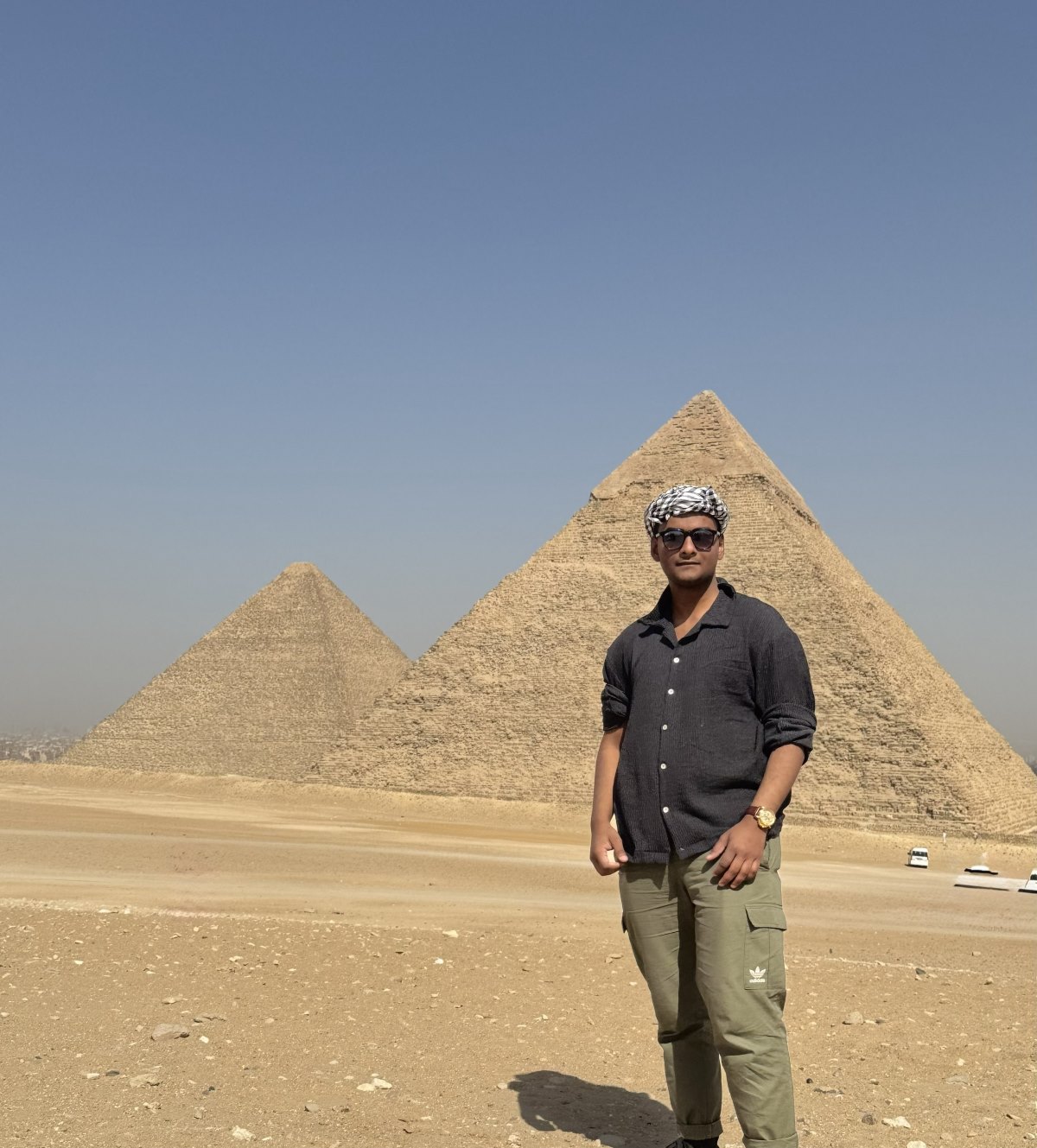
Pyramid Close Encounter
Up close with the massive limestone blocks of Khufu's Pyramid. Each stone weighs approximately 2.5 tons, and it took an estimated 2.3 million blocks to construct this eternal monument. The precision of construction remains a marvel of ancient engineering.
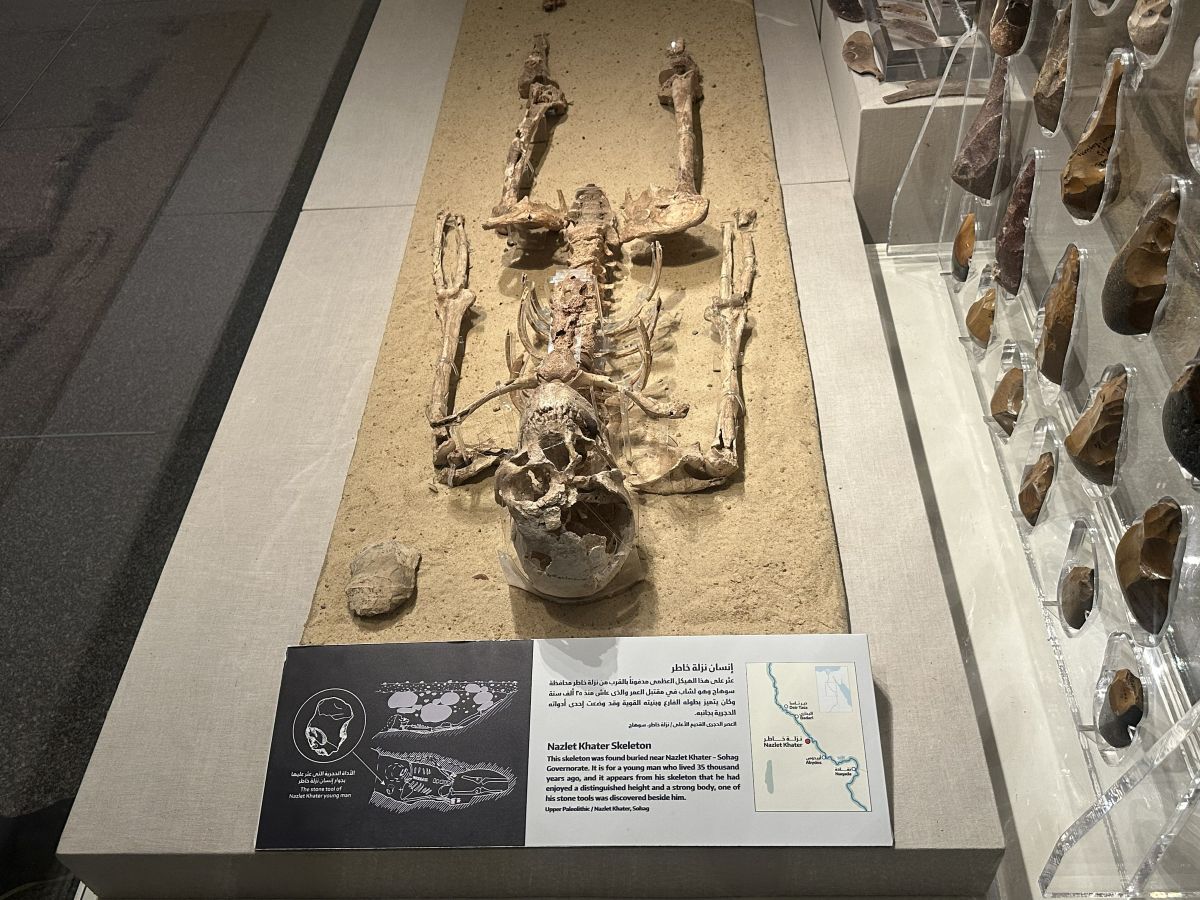
Nazlet Khater Skeleton
This ancient skeleton was discovered near Nazlet Khater in Upper Egypt, dating back approximately 35,000-30,000 years. It represents one of the oldest anatomically modern human remains found in Egypt, providing crucial evidence of early human habitation in the Nile Valley during the Late Paleolithic period.
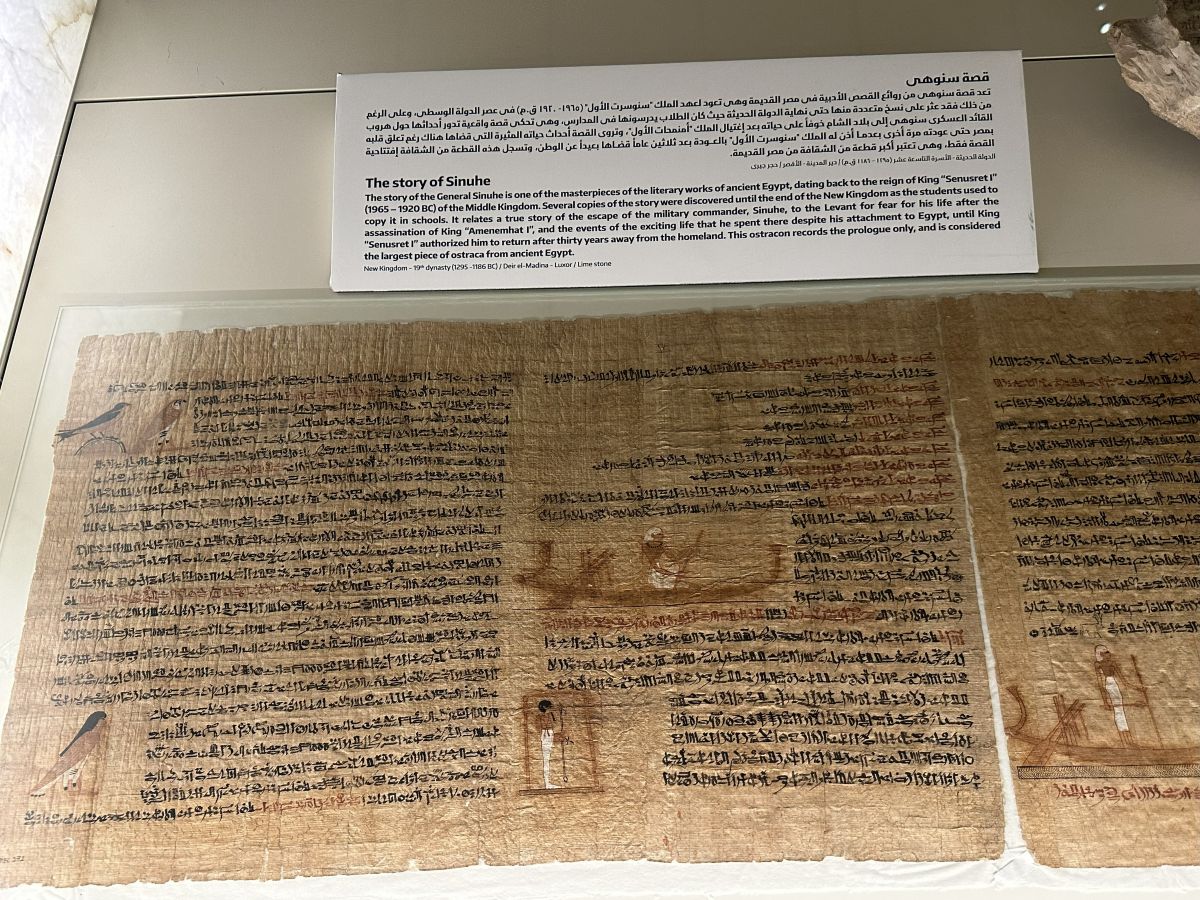
The Story of Sinuhe
One of the masterpieces of ancient Egyptian literature, dating to the Middle Kingdom (c. 1875 BC). This papyrus tells the tale of Sinuhe, an official who fled Egypt after the death of Pharaoh Amenemhat I. The narrative is considered one of the finest works of ancient Egyptian prose, revealing insights into Middle Kingdom society and values.
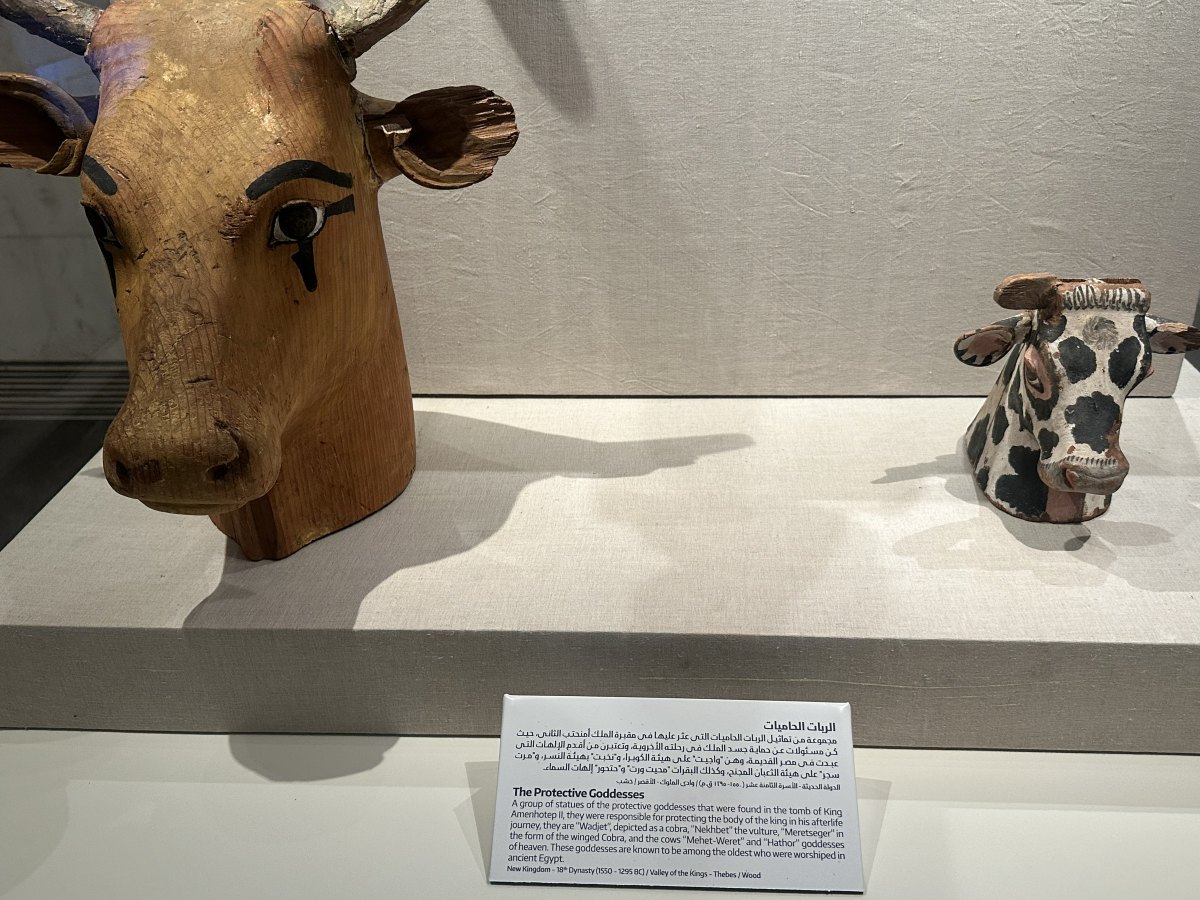
The Protective Goddesses
Statues of protective deities found in King Amenhotep II's tomb. These goddesses were guardians of the pharaoh in his afterlife journey, including Wadjet (depicted as a cobra), Nekhbet (the vulture goddess), and the cow goddesses Mehet-Weret and Hathor. They represent divine protection spanning heaven, earth, and the underworld.
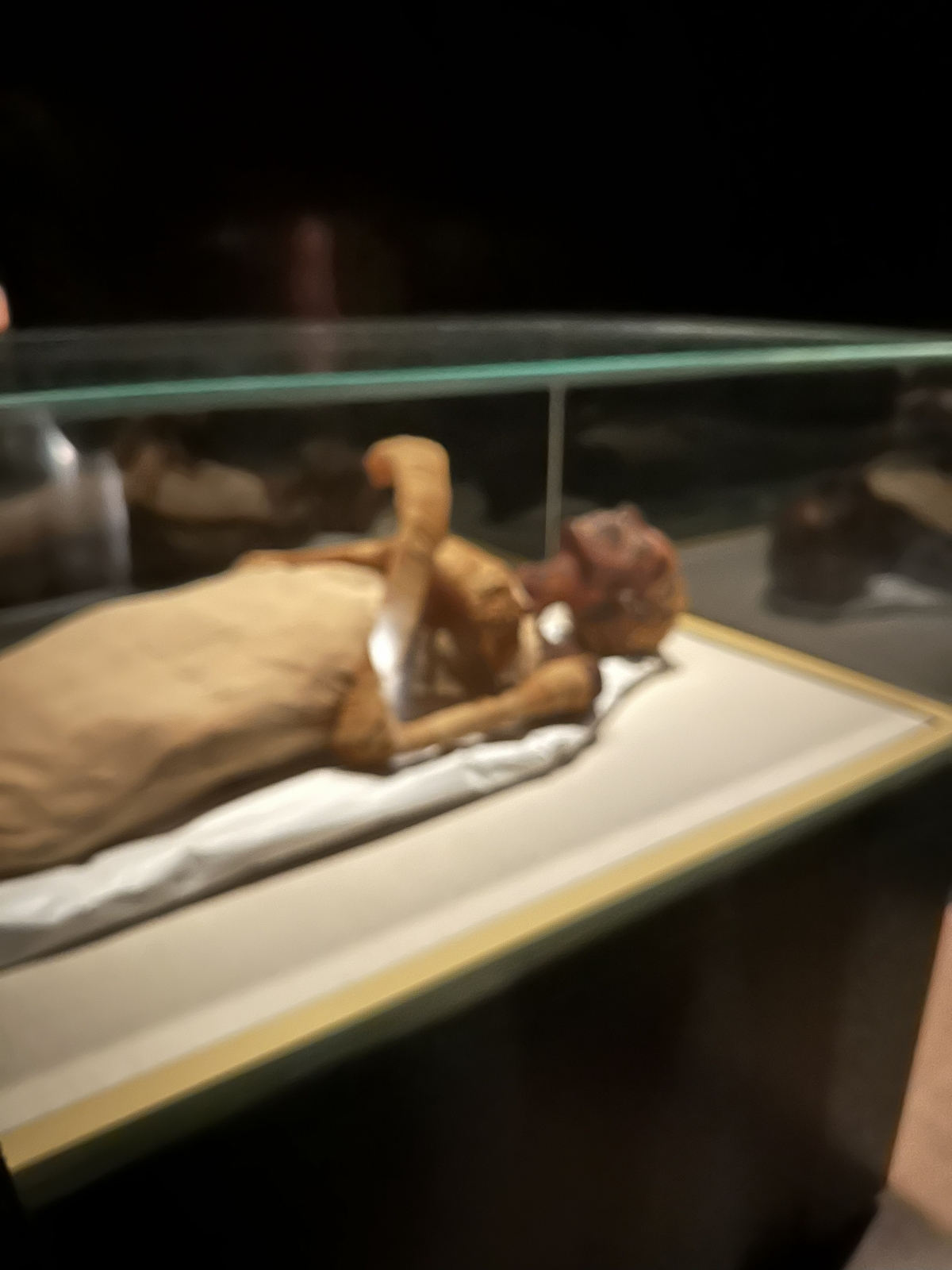
Treasures of Ramses II
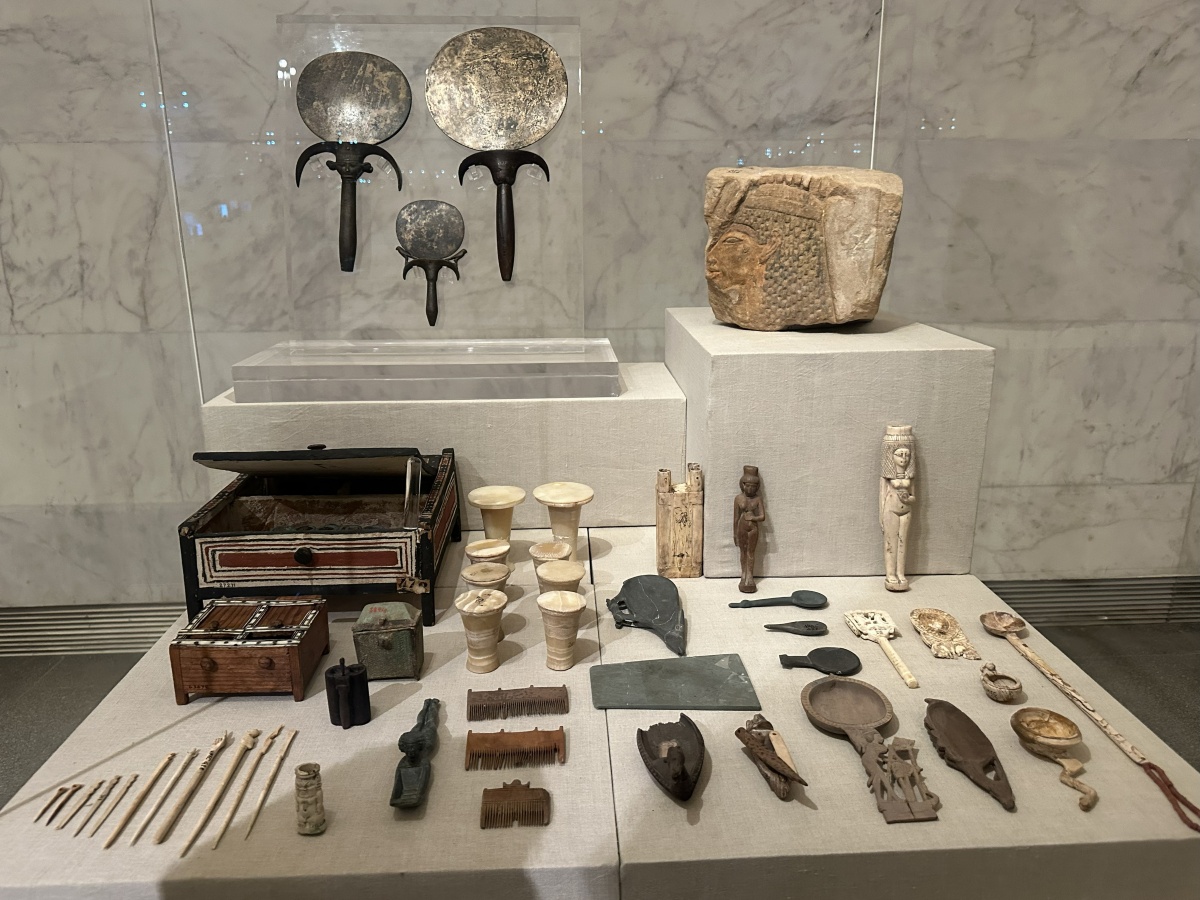
Artifacts from the reign of Ramses II "the Great" (1279-1213 BC), one of Egypt's most powerful pharaohs. These items include ceremonial objects, personal grooming tools, mirrors, and cosmetic implements that showcase the sophisticated craftsmanship and daily life of New Kingdom royalty.
Ancient Egyptian Cosmetics
A collection of ancient beauty implements revealing the Egyptians' sophisticated approach to cosmetics. They used kohl (made from galena) for eye makeup, which also protected against the harsh desert sun, and various oils and unguents for skin care. These practices were both aesthetic and medicinal.
Coffin of Lady ISIS
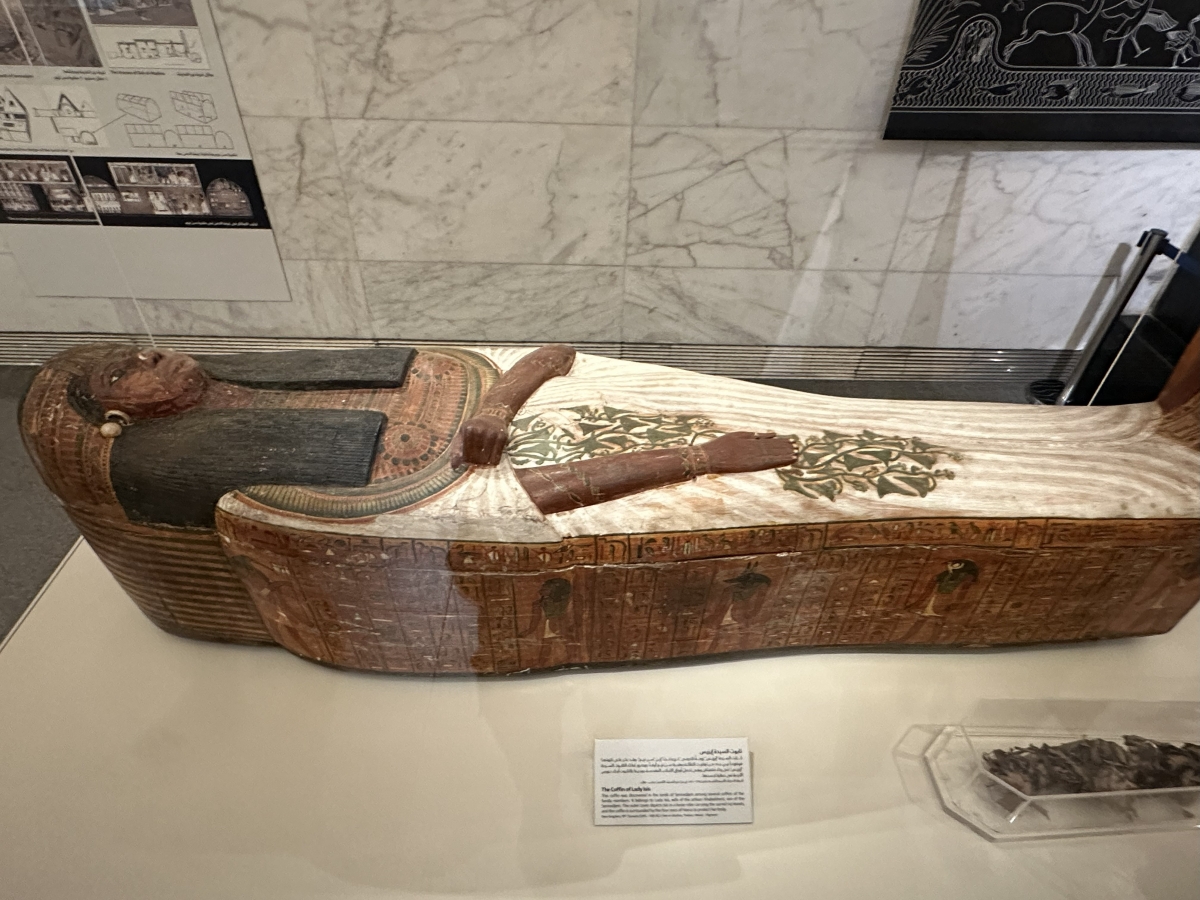
An intricately decorated sarcophagus showcasing the elaborate burial practices of ancient Egypt. The coffin is adorned with hieroglyphic texts including spells from the Book of the Dead, designed to guide and protect the deceased through the afterlife journey to the Field of Reeds.


Imam Hussein Shrine
The Al-Hussein Mosque in Cairo, where according to some Islamic scholars and historical traditions, the head of Imam Hussein ibn Ali is believed to be buried. While there is scholarly debate about the exact location, this site has been venerated since medieval times and remains one of the holiest Islamic sites in Egypt.
Breaking Fast at Al-Azhar Mosque
Al-Azhar Mosque, founded in 970 AD, is one of Cairo's oldest mosques and houses Al-Azhar University - the world's second-oldest continuously operating university. This historic courtyard has been a center of Islamic learning for over a millennium. Breaking fast (iftar) here during Ramadan connects us to centuries of spiritual tradition.
Historic Corridors of the Citadel
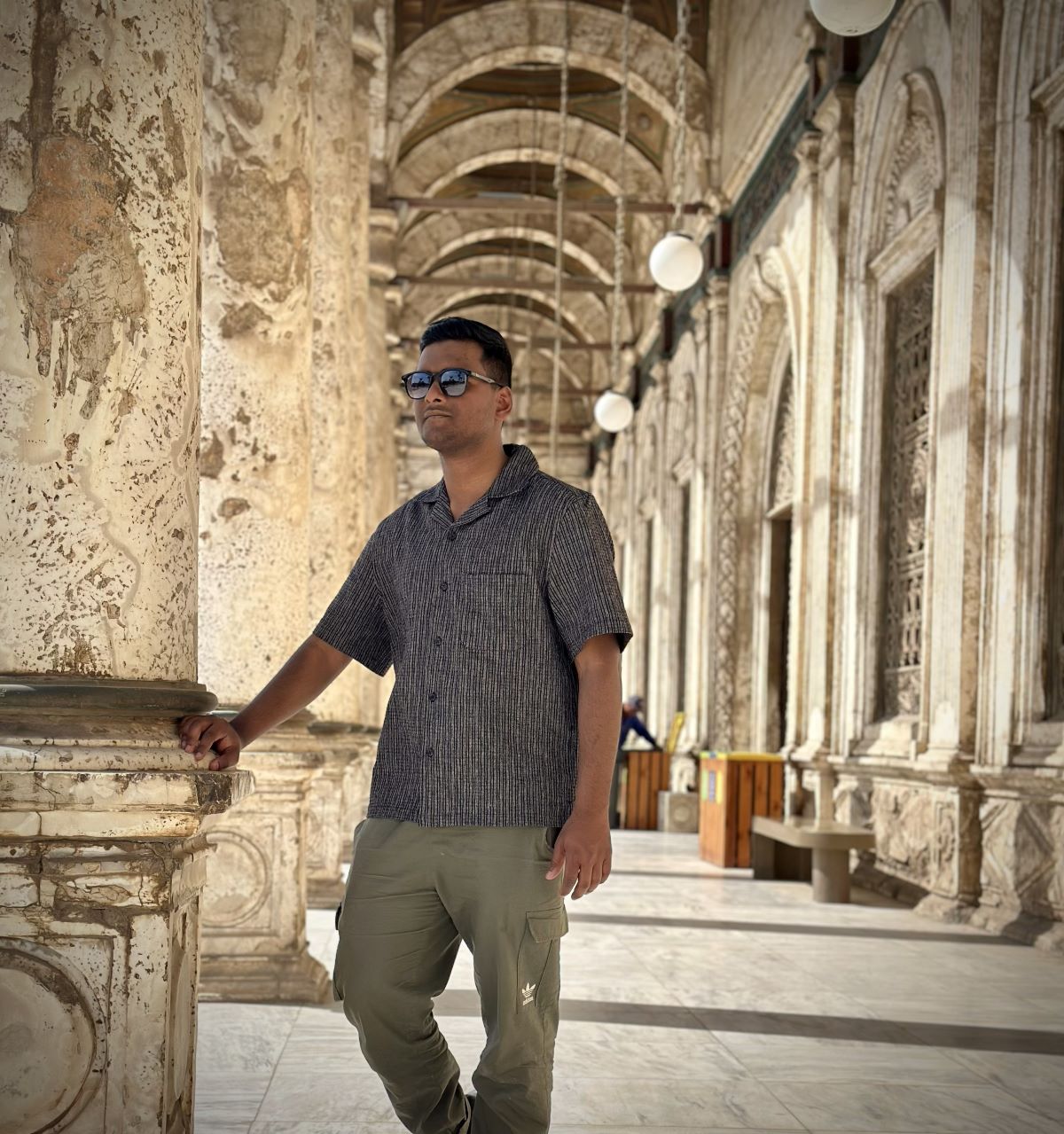
Walking through the ancient corridors within the Citadel of Saladin complex. These weathered stone arches and columns showcase centuries of Islamic architecture, with their aged walls telling stories of the fortress that served as Egypt's seat of power for nearly 700 years.